A perfect 98 Lighthouse score from San Francisco means nothing if your site takes 11 seconds to load in Mumbai. We learned this lesson the hard way.
After launching our multilingual blog, we noticed a disturbing pattern in our analytics: bounce rates above 85% from India, Brazil, and Southeast Asia, despite engagement metrics in North America and Europe looking healthy. The content was the same. The design was the same. The infrastructure was the same. So why were visitors in different regions having such drastically different experiences?
We set up a testing framework to load our site from eight countries simultaneously and measure exactly what was happening. The results were worse than we expected — and the fixes were simpler than we feared.
The Setup: Testing From 8 Countries
We used Cloudflare Speed Test as our primary measurement tool, running tests from endpoints in:

- United States (California)
- United Kingdom (London)
- Germany (Frankfurt)
- Brazil (Sao Paulo)
- India (Mumbai)
- Singapore
- Japan (Tokyo)
- Australia (Sydney)
For each location, we measured TTFB (Time to First Byte), total page load time, and the size of assets delivered. We ran the tests at three different times of day to control for network congestion.
The Results: A Tale of Two Internets
| Location | TTFB | Full Page Load | Bounce Rate |
|---|---|---|---|
| California, US | 89ms | 1.2s | 42% |
| London, UK | 112ms | 1.4s | 38% |
| Frankfurt, DE | 98ms | 1.3s | 45% |
| Sao Paulo, BR | 2,140ms | 7.8s | 78% |
| Mumbai, IN | 1,890ms | 8.2s | 82% |
| Singapore | 1,560ms | 6.1s | 71% |
| Tokyo, JP | 320ms | 2.1s | 52% |
| Sydney, AU | 410ms | 2.4s | 55% |
The pattern was clear: our CDN had excellent coverage in North America, Europe, and parts of Asia-Pacific, but terrible coverage in South America, South Asia, and Southeast Asia. Visitors in Sao Paulo were being served from our Miami edge node — 6,500 kilometers away. Mumbai visitors were being routed to London.
Fix 1: CDN Edge Coverage
Using IP Toolbox, we traced the exact routing path for each geographic endpoint. The diagnostic confirmed our suspicion: our CDN provider had edge nodes in Sao Paulo and Mumbai, but our DNS configuration was not routing visitors to them.

The fix took 15 minutes. We enabled the CDN's "Smart Routing" feature (Cloudflare calls it Argo) and added geographic DNS rules to ensure visitors were served from the nearest edge node. We verified the fix with IP Toolbox by querying from multiple regions and confirming the resolved IPs belonged to local edge nodes.
Result: TTFB dropped from 2,140ms to 310ms in Brazil. Mumbai improved from 1,890ms to 280ms.
Fix 2: Asset Optimization for Slower Connections
Even after fixing routing, page load times in emerging markets were still higher than in developed markets — not because of our servers, but because average connection speeds are lower. Our 3MB homepage loaded in 1.2 seconds on a 50Mbps connection but 5+ seconds on a 5Mbps connection.
We implemented three asset optimizations:
- Converted all images to WebP with responsive srcset (different sizes for different screens)
- Enabled Brotli compression (25% better than Gzip for text assets)
- Implemented lazy loading for below-the-fold content
Result: Page weight dropped from 3.0MB to 920KB. Load time on a 5Mbps connection dropped from 5.3s to 1.8s.
Fix 3: Competitor Research With What CMS and SimilarSite
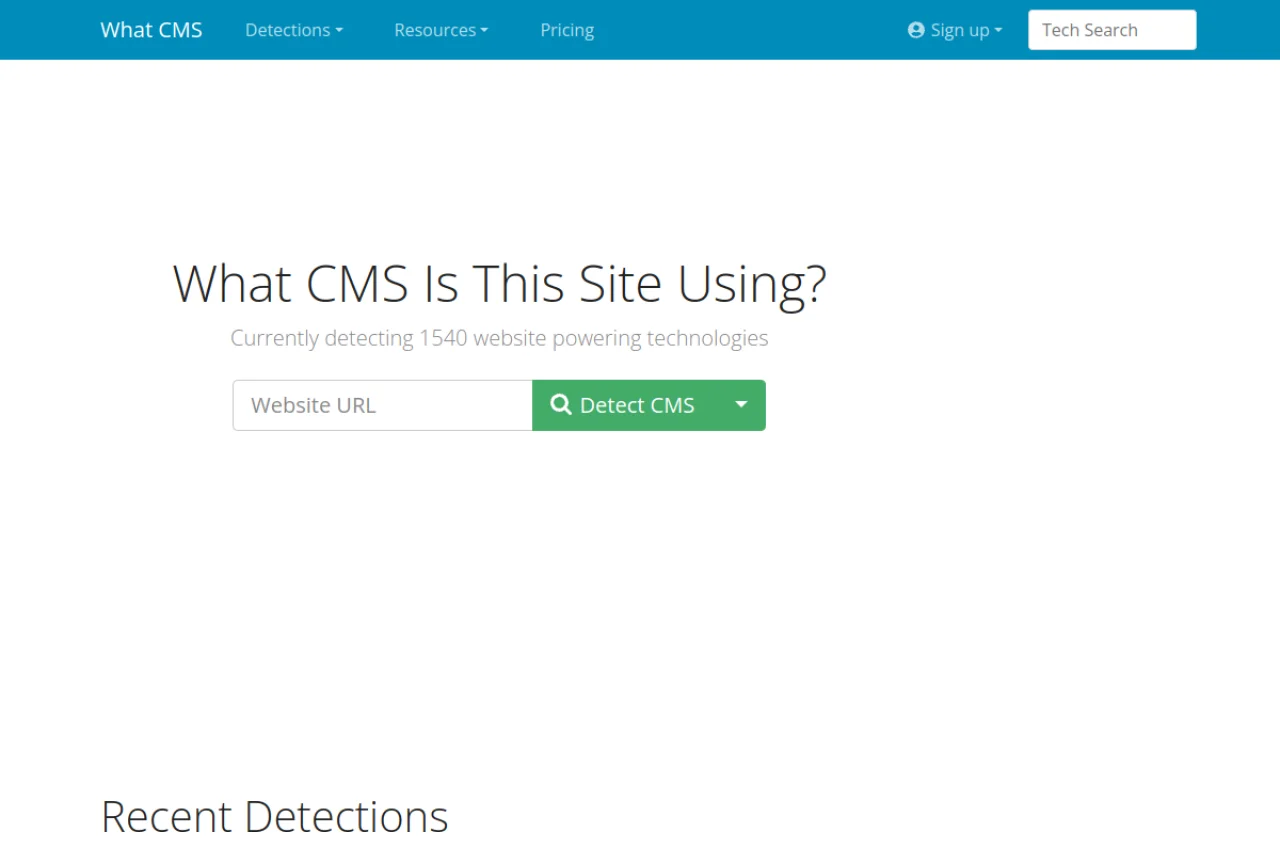
What CMS and SimilarSite helped us understand how successful local competitors in Brazil and India were handling infrastructure. We identified three Brazilian tech blogs with strong local rankings and used What CMS to analyze their tech stacks. All three were using a CDN with local edge nodes and aggressive caching strategies.
SimilarSite revealed additional regional competitors we had not been aware of — and by studying their infrastructure choices, we validated that our fixes were aligned with what was working in each market.
The Results After Fixing
Two weeks after implementing all three fixes:
| Location | TTFB (Before) | TTFB (After) | Bounce Rate (After) |
|---|---|---|---|
| Sao Paulo, BR | 2,140ms | 310ms | 51% |
| Mumbai, IN | 1,890ms | 280ms | 49% |
| Singapore | 1,560ms | 195ms | 44% |
The most satisfying number is the bounce rates. They dropped from the 70-80% range to the 44-51% range — in line with our developed-market performance. The content did not change. The design did not change. The only thing that changed was how fast the page appeared on the screen.
What You Should Do Right Now
- Run Cloudflare Speed Test from at least three regions your analytics show as significant traffic sources
- Use IP Toolbox to verify routing to those regions
- Research local competitors with What CMS and SimilarSite
- Fix the biggest gap first — our data shows CDN routing is usually the highest-impact fix
- Retest and measure the improvement
International visitors will not tell you your site is slow. They will just leave. The tools above give you the visibility to find and fix the problem before it costs you real audience growth.
Read next: We Translated Our Blog Into 5 Languages — Here Is How