Cross-border e-commerce sounds glamorous until you are staring at a compliance document in Portuguese, a supplier invoice in a format your accounting software cannot open, and product images that need white backgrounds for Amazon, transparent backgrounds for Shopify, and high-resolution crops for Instagram — all at the same time.
The Pareto principle applies brutally to international selling: 20% of the work creates 80% of the friction. That 20% is the operational stuff — images, documents, supplier verification, competitor research — that has nothing to do with your product and everything to do with whether you can actually sell it.
We built a toolkit specifically to handle that hardest 20%. Here is every tool, why we chose it, and how it fits into a complete cross-border workflow.
Visual Assets: The Marketplace-Ready Pipeline
Removal.AI is the first tool we open when a new product batch arrives. Marketplace platforms are unforgiving about product photography: Amazon requires pure white backgrounds (RGB 255,255,255). eBay flags listings with busy backgrounds. Alibaba suppliers rarely provide images that meet these standards.

Removal.AI processes product photos in one click. In our tests, it handled a batch of 120 product images with varying backgrounds (white, gray, cluttered warehouse, outdoor) in under four minutes. The edge detection was clean on products with defined edges — electronics, packaged goods, apparel on mannequins. It struggled slightly with products that have fine, wispy details (like jewelry chains or hair products), where manual touch-up was still needed.
Workflow integration: Supplier sends product photos → Removal.AI removes backgrounds → images go to the next step.
Upscale.media handles the resolution problem. Supplier catalogs frequently contain images at 800x600 pixels — fine for a PDF, terrible for a product page where customers expect to zoom in on details. Upscale.media enlarges images to 2x or 4x without the pixelation that comes from simple resizing. The deep learning model reconstructs missing detail rather than just stretching existing pixels.
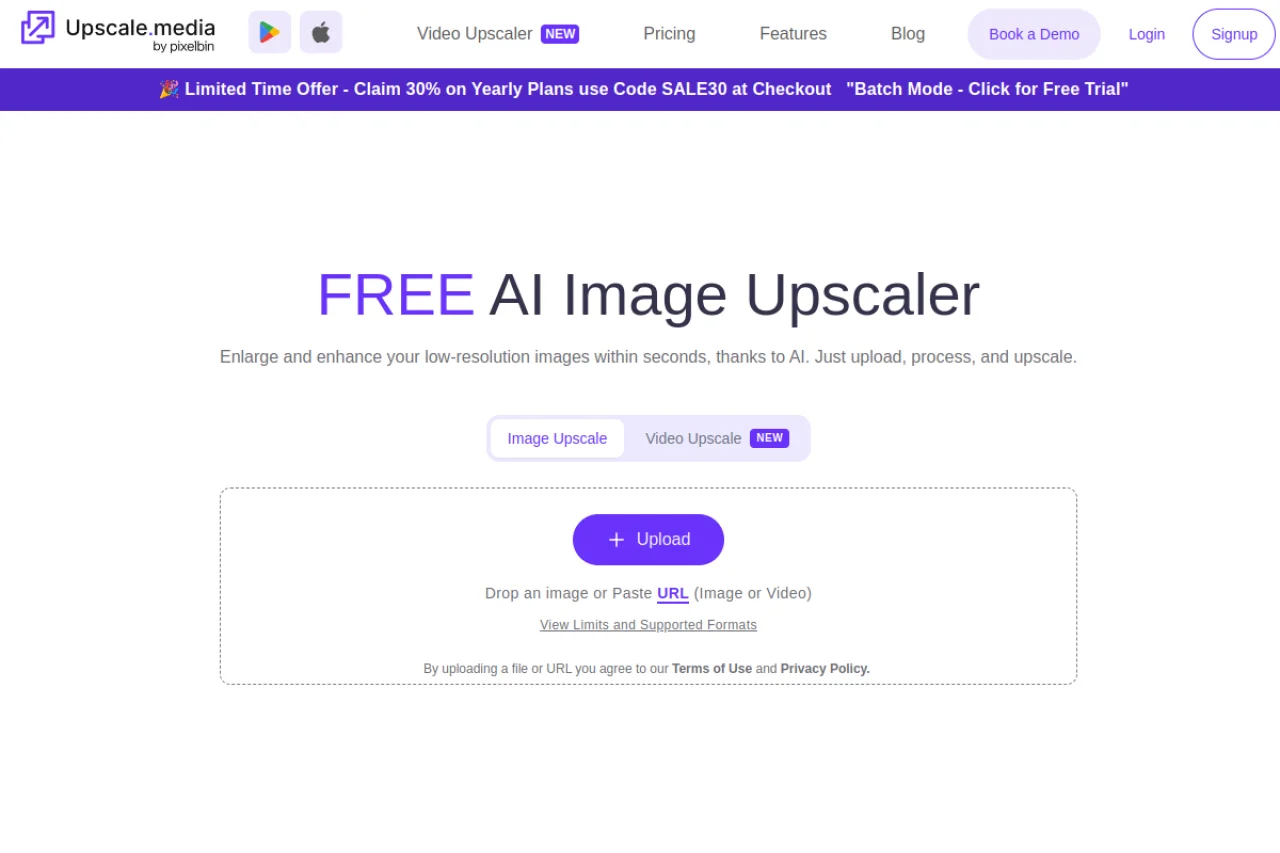
Workflow integration: Background-removed images → Upscale.media enlarges to 1600+ pixels wide → ready for marketplace upload.
Operations: The Document and Trust Layer
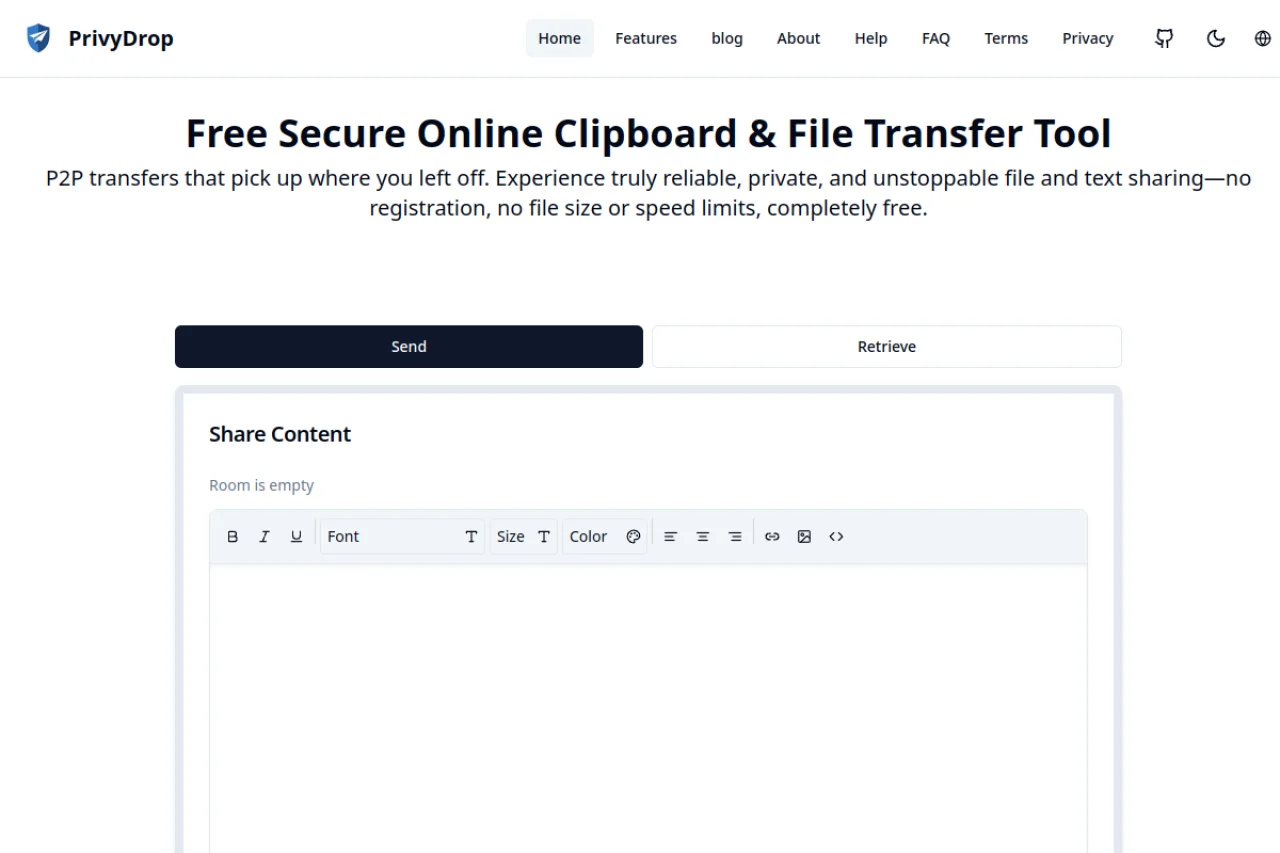
PrivyDrop handles the sensitive document transfers that email was never designed for. Supplier contracts, compliance certificates, bank details — documents where a breach would have real consequences. PrivyDrop uses end-to-end encryption with no file size limits and no registration.
Why this matters: In a 2024 survey of cross-border sellers, 23% reported experiencing a security incident related to document transfer — intercepted invoices, compromised payment details, or unauthorized access to supplier agreements. Using a dedicated encrypted transfer tool is not paranoia; it is basic operational security.
IP Toolbox serves a specific but critical function: supplier verification. When a new supplier sends their company information, we verify that their claimed location matches their digital footprint. IP Toolbox resolves their domain to a physical location and checks DNS records for consistency.
In one case, a supplier claiming to be based in Shenzhen had their domain resolving to a residential ISP in a different province — a red flag that led us to request additional verification before proceeding. The deal turned out to be legitimate (the supplier was using a cloud server in a different location), but the due diligence process caught another supplier who was not legitimate two weeks later.
Data and Research
Easyscraper automates competitor price monitoring. We set up scrapers for the top three competitors in each target market, tracking prices on their top 20 products. The data exports to a Google Sheet that updates weekly.
What we learned from the data: pricing strategies vary dramatically by region. A product priced at $29.99 in the US might command $44.99 in Germany and $19.99 in India. Competitors who succeed in multiple markets price according to local purchasing power, not a simple currency conversion. Easyscraper gave us the data to make these decisions confidently.
Immersive Translation is the final tool in the stack. We use it to read competitor reviews, customer feedback, and market reports in their original language. A German customer's complaint about "Verpackung" (packaging) reads differently in the original than in a translated summary. The bilingual view preserves these nuances.
Convertio appears in the stack as the universal format converter. Invoices from Chinese suppliers arrive as .xls. Compliance documents from European regulators require .pdf. Shipping labels from logistics partners come as .png. Convertio bridges every format gap without installing Office, Acrobat, or any other software.
The Complete Cross-Border Toolkit
| Stage | Tool | What It Handles |
|---|---|---|
| Product Images | Removal.AI | Background removal for marketplace standards |
| Image Quality | Upscale.media | Resolution upscaling without quality loss |
| Secure Docs | PrivyDrop | Encrypted contract and compliance transfer |
| Supplier Check | IP Toolbox | Location verification and DNS tracing |
| Competitor Data | Easyscraper | Automated price and product monitoring |
| Market Research | Immersive Translation | Bilingual reading of local market reports |
| File Conversion | Convertio | 300+ format conversions, batch processing |
International selling will always have friction. The goal is not to eliminate it — it is to concentrate your energy on the 80% that grows your business and let tools handle the 20% that just needs to work.
Read next: Remote Team Collaboration Across 4 Time Zones — How We Made It Work